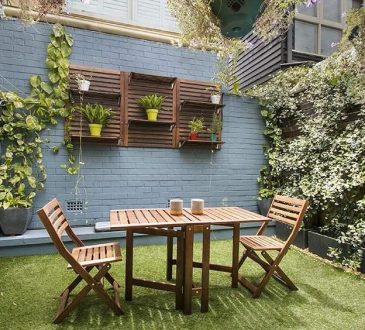

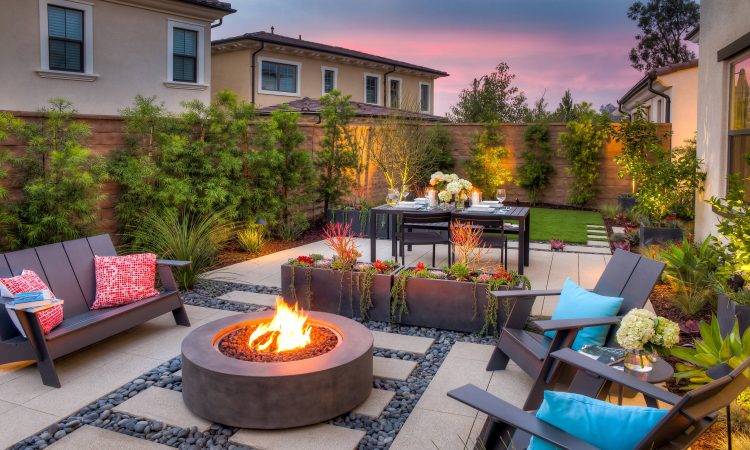
Drive through any neighborhood built or renovated in the last ten years and you will see them everywhere: fences where the boards run side to side instead of up and down. The modern horizontal fence has become the default modern landscaping choice, and it earns that status—it genuinely looks better, photographs better, and works with more architectural styles than traditional vertical boards.
A modern horizontal fence uses boards or panels installed parallel to the ground rather than vertically. It is most commonly built with cedar, composite decking boards, steel, or bamboo. Costs typically range from $25 to $75 per linear foot installed, depending on material, height, and design complexity.
Why Horizontal Over Vertical?
The shift toward horizontal fencing is not just a passing trend. There are real design and practical reasons it works:
- Visual width: horizontal lines make a yard feel wider and more open – vertical pickets have the opposite effect, emphasising enclosure.
- Architectural alignment: horizontal lines echo the rooflines, decking, and siding on most modern homes. The fence becomes an extension of the architecture rather than a separate element.
- Cleaner gaps option: spaced horizontal slats allow light and air to pass through while still providing privacy when viewed at an angle – a balance vertical fences rarely achieve.
- Better backdrop for landscaping: horizontal boards create a calm, neutral backdrop for plants, garden beds, and outdoor furniture. Vertical boards compete with planting for visual attention.
Best Materials for Modern Horizontal Fencing
| Material | Look | Durability | Maintenance | Cost Range (per lin. ft) |
|---|---|---|---|---|
| Western Red Cedar | Warm, natural grain | Good – resists rot naturally | Stain every 2-3 years | $20 – $40 |
| Composite (PVC/wood blend) | Clean, consistent colour | Excellent – no rot or warp | Occasional wash | $35 – $65 |
| Ipe / Hardwood | Rich, dense, premium | Excellent – very hard | Oil annually | $45 – $80 |
| Steel (powder-coated) | Industrial, modern | Excellent – rust-resistant | Inspect coating, repaint if chipped | $50 – $90 |
| Bamboo panels | Natural, warm texture | Good in dry climates | Seal and stain regularly | $15 – $30 |
| Thermally modified wood | Natural with enhanced durability | Very good – stable, less warping | Minimal – oil occasionally | $40 – $70 |
Design Styles That Work
Horizontal fencing is not a single look – it branches into several distinct styles:
- Solid board (privacy fence): boards placed edge to edge with no gap. Full privacy, strong visual presence, best for backyard boundaries.
- Spaced slat (shadow box effect): boards installed with a uniform gap between them – typically 1/4 to 1 inch. Light, air, and partial views pass through. Works well as a garden or front yard fence where total privacy is not the goal.
- Mixed material: horizontal wood boards combined with steel posts or a steel frame. The contrast between warm timber and cool metal is a very effective modern look.
- Floating fence panels: boards that appear to float with the posts concealed behind – creates an ultra-clean, minimal appearance. Requires careful post planning during installation.
Privacy vs. Semi-Open Options
| Option | Gap Between Boards | Privacy Level | Visual Effect |
|---|---|---|---|
| Full solid fence | None / flush | Complete | Bold, strong boundary line |
| Tight spacing (1/4 inch) | Minimal | High | Clean lines with slight texture |
| Medium spacing (1/2 – 1 inch) | Moderate | Good from distance | Light play, open feel |
| Wide spacing (1.5 – 2 inches) | Wide | Low – decorative only | Airy, backdrop-style |
Cost Breakdown by Material and Length
| Material | Per Linear Foot (supply only) | Per Linear Foot (installed) | 100 Foot Fence Estimate |
|---|---|---|---|
| Cedar | $8 – $15 | $20 – $40 | $2,000 – $4,000 |
| Composite | $15 – $25 | $35 – $65 | $3,500 – $6,500 |
| Hardwood (Ipe) | $20 – $35 | $45 – $80 | $4,500 – $8,000 |
| Steel panels | $25 – $45 | $50 – $90 | $5,000 – $9,000 |
DIY Feasibility: What Is Realistic?
Horizontal fencing is achievable as a DIY project for someone comfortable with basic carpentry, but it is less forgiving than vertical fencing. The horizontal lines immediately show any variation in level – a board that sags even slightly is visible from across the yard.
- Post setting is the most critical step: posts must be perfectly plumb and evenly spaced. Errors here cannot be corrected later without pulling posts.
- Use a level and spacer block consistently: do not rely on eyeballing the gaps between boards.
- Longer boards (8 feet plus) need support in the middle to prevent sagging – a mid-rail or centre post is essential for spans over 6 feet.
- Steel or composite systems often use proprietary clips and channels – follow manufacturer specifications exactly.
Maintenance Tips by Material
- Cedar: clean with a deck wash solution and reapply a penetrating oil stain every two to three years. Do not let it go grey if you want to preserve the warm colour.
- Composite: rinse with a hose annually and use a composite deck cleaner for any staining. No sealing required.
- Steel: inspect the powder coat annually, especially at cut ends and fastener points. Touch up bare metal spots immediately to prevent rust spread.
- Hardwood: apply a teak or ipe oil annually to maintain colour and prevent checking (surface cracks from drying).
Final Recommendation
For the best balance of looks, durability, and cost: cedar or composite horizontal slats with concealed steel posts. Cedar gives warmth and natural character at a lower price; composite costs more upfront but eliminates ongoing maintenance. Either approach produces a fence that immediately elevates the kerb appeal of the property.
If budget allows and longevity matters more than upfront cost, thermally modified wood or composite is the investment that pays back over a decade of maintenance-free life.