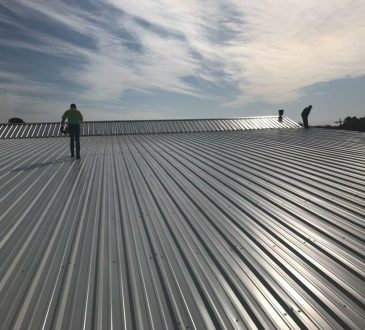


Roof maintenance is the regular inspection and care that helps a roof shed water, resist weather, and protect the building. A useful routine looks for damaged shingles or panels, loose flashing, blocked drainage, deteriorating sealants, vegetation, and signs of moisture indoors. The safest approach is to inspect from the ground or another secure location and hire a qualified roofer for roof-level checks, steep slopes, fragile materials, or repairs.
A roof is a complete assembly, not just its visible covering. It may include shingles or panels, underlayment, flashing, ventilation, insulation, gutters, valleys, and structural supports. Maintenance needs vary by material, climate, roof age, nearby trees, and manufacturer instructions. Regular observation can reveal problems, but does not replace professional assessment where defects or safety risks exist.
At a glance
| Area | Key point |
| Routine | Use a consistent, manufacturer-guided schedule |
| Safety | Do not improvise work on hazardous components |
| Observation | Record changes before symptoms worsen |
| Professional help | Escalate persistent or risky faults |
Create a baseline roof record
Record the roof’s approximate age, covering type, known repairs, installation paperwork, and warranty terms. Photograph visible areas from safe ground-level positions and note recurring stains, moss, sagging, or debris. A baseline makes it easier to tell whether a condition is new or has worsened over time.
If the home has several roof types or additions, label each area clearly. Keep invoices, inspection reports, and material details together. If a leak develops, the record can help a contractor connect the symptom to a roof section or earlier repair rather than relying on memory.
Inspect from a safe location
Use binoculars or a zoom camera to view shingles, panels, ridge caps, valleys, flashing, and roof edges from the ground. Look for missing or lifted materials, rust, broken tiles, uneven lines, and debris. Do not climb onto the roof simply to get a closer look, especially after rain, frost, or wind.
From a safe accessible area, look for water stains, damp insulation, daylight around penetrations, or musty smells. Avoid stepping on ceiling joists or disturbing wiring and insulation. If the attic is cramped, hot, or unsafe, ask a professional to inspect it.
Check the roof covering
Asphalt shingles may lose granules, crack, curl, or become displaced; tiles can crack or slip; metal panels may show coating damage, loose fasteners, or corrosion. A single defect does not always mean the whole roof needs replacement, but widespread damage deserves a broader assessment.
After severe weather, check for branches, impact marks, displaced ridge pieces, and debris from a safe viewpoint. Do not pull at a panel or shingle from a ladder. Materials may be slippery or fragile, and a small movement may expose hidden underlayment or fasteners.
Maintain gutters and downspouts
Blocked gutters can send water behind fascia, over walls, or toward foundations. Clean them from a safe access point or arrange professional service for high gutters. Look for sagging runs, separated joints, rust, and downspouts that discharge too close to the building.
Overflow may indicate undersizing, poor slope, damage, or a blocked downspout rather than leaves alone. Observe runoff during rain from a safe location and note where it spills. Correcting the cause is more reliable than repeatedly clearing the same area or adding sealant to a failing joint.
Pay attention to flashing
Flashing directs water around chimneys, skylights, vents, walls, and other breaks in the roof covering. Deteriorated flashing, loose edges, failed sealant, or poorly fitted boots can leak even when the main roof looks sound. Look for rust, lifted edges, staining, and debris around these details from a safe viewpoint.
Sealant is not a universal substitute for correct flashing. Roof materials require compatible connection details, and some sealants do not suit certain coatings or membranes. If a repair involves a chimney, skylight, solar equipment, or roof-to-wall junction, use a contractor familiar with that assembly.
Control trees and vegetation
Branches touching the roof can abrade coverings, drop debris, and provide a route for pests. Overhanging trees may shade damp areas and encourage moss or algae in suitable climates. Trim vegetation where appropriate, but use a qualified tree professional for high branches or work near power lines.
Remove loose debris only when it can be done safely from the ground or a proper access point. Avoid scraping or pressure-washing without manufacturer approval; aggressive cleaning can remove protective granules, damage coatings, or force water under overlaps. Widespread growth may need a treatment suited to the material.
Understand ventilation and moisture
Attic ventilation, air sealing, and insulation affect roof performance. Poor airflow or warm indoor air leaking into a cold roof space can contribute to condensation or ice-related problems. Warning signs may include damp sheathing, rusty nail tips, musty smells, or uneven upper-room temperatures.
Do not add vents or alter insulation without understanding the roof design. Blocking soffit vents can make moisture problems worse, and an exhaust vent without suitable intake may disrupt airflow. A building-envelope professional can assess ventilation, insulation, and vapour control as one system.
Prepare for seasonal weather
Before storm season, check for loose branches, blocked gutters, missing flashing, and visible defects that could admit wind-driven rain. In snow-prone areas, follow local guidance on snow loads and ice dams; do not climb onto an icy roof to remove snow. In hot climates, look for coating deterioration and drainage problems after dusty weather.
After a major storm, inspect from the ground for displaced materials, fallen branches, damaged gutters, and new interior stains. If water is actively entering, protect belongings and contact a roofer. Temporary coverings must be installed securely and safely; loose tarps can become dangerous in wind.
Recognise leaks early
Ceiling stains, peeling paint, damp insulation, bubbling finishes, or musty smells can indicate moisture entry. The stain may be far from the opening because water can travel along framing or underlayment before appearing indoors. Note whether it follows rain, wind, snowmelt, or plumbing use.
Do not assume every ceiling mark comes from the roof. Plumbing and HVAC condensate can create similar signs. A professional should trace the source before repairs begin. If water is near electrical fixtures, avoid the affected area and seek appropriate assistance; drying the room alone will not fix the source.
Decide between repair and replacement
Localised damage may be repairable when surrounding materials remain sound and compatible replacements are available. Widespread deterioration, repeated leaks, brittle coverings, structural concerns, or a roof near the end of its expected service life may justify replacement. Age alone does not determine the decision.
Ask for a written assessment that distinguishes observed damage from recommended work. The proposal should explain the repair location, materials, flashing details, access, warranty, and uncertainty caused by hidden layers. If replacement is recommended, ask why a targeted repair is no longer reasonable.
Choose contractors and document work
Verify relevant licensing or registration, insurance, references, and experience with the roof type. The lowest quote may omit flashing, disposal, decking repairs, or landscape protection. Compare proposals using the same scope and ask how additional work will be approved if hidden damage appears.
After work, keep the contract, invoice, product information, photographs, warranty, and inspection report. Ask what maintenance preserves the warranty and which conditions are excluded. Clear records help future contractors identify the system and avoid incompatible materials.
Use a manageable maintenance calendar
At least seasonally, observe the roof from the ground, check accessible attic areas for moisture, and confirm that gutters and downspouts are clear. Increase checks if trees surround the home, severe weather is common, or leaks have occurred before. Use manufacturer guidance for roof-specific tasks.
Arrange professional inspection when you notice damage, recurring overflow, leaks, or a change in roof shape. Do not wait for a ceiling stain if exterior materials look displaced. A documented routine helps catch defects before they affect insulation, framing, and interior finishes.
Practical checklist
- Observe roof surfaces from the ground.
- Keep gutters and downspouts clear.
- Watch flashing, penetrations, and interior stains.
- Inspect after severe weather without climbing.
- Keep repair and warranty records.
Troubleshooting without guesswork
When a roof concern appears, record the date, weather, affected room, and visible exterior location. Photograph the stain or damaged area from a safe position, but do not remove shingles, lift panels, or apply sealant before the source is understood. Water can travel from its entry point, so an interior mark is evidence of moisture rather than a precise map of the roof opening.
Ask the roofer to distinguish urgent water-entry protection from permanent repair. A temporary measure may be appropriate during bad weather, but it should be safe and compatible with the final repair. After work, check the affected interior area over the next suitable rain events and report any recurring moisture rather than assuming the first visit resolved every path.
Roof drainage and the building exterior
Roof maintenance should include observing where water goes after it leaves the roof. Downspouts should discharge to a suitable location rather than repeatedly soaking the foundation, washing away soil, or creating slippery paths. Extensions, splash blocks, or a properly designed drainage connection may help, but the right choice depends on grading and local rules.
Look for soil erosion, standing water, basement dampness, and staining below roof edges. These clues can point to a gutter or drainage issue even when the roof covering itself appears intact. Do not direct runoff toward a neighbour’s property or a public walkway. If water accumulates near the foundation, ask a qualified professional to assess the grading and drainage route.
After gutter or roof work, observe the system during a safe period of rainfall. Note whether water flows through the intended outlets and whether any area still overflows. A short follow-up observation can reveal a missed blockage or connection before repeated runoff damages the exterior.