
In the ever-evolving world of interior design, Dubai homeowners are increasingly embracing eco-friendly Dubai upholstery. Beyond aesthetics, sustainable furniture choices reflect a growing awareness of environmental responsibility while maintaining comfort, luxury, and style. For residents of Dubai, where climate and design preferences play a vital role, understanding eco-friendly upholstery options has never been more important.
Why Choose Eco-Friendly Upholstery?
Sustainability is no longer a niche trend; it is becoming a standard for modern living. Choosing eco-friendly upholstery offers multiple benefits:
Reduced Environmental Impact: Traditional upholstery often involves synthetic fabrics and chemical treatments that contribute to pollution. Sustainable materials, like organic cotton, hemp, or recycled polyester, minimize waste and chemical use.
Healthier Living Spaces: Eco-friendly fabrics reduce exposure to harmful chemicals, making your home safer, especially for children and pets.
Durability and Comfort: Many sustainable fabrics are surprisingly robust, providing long-lasting furniture without sacrificing comfort.
Style without Compromise: Modern sustainable fabrics come in a wide array of textures, colors, and patterns, allowing you to match Dubai’s luxurious interior trends.
Popular Eco-Friendly Upholstery Materials in Dubai
Dubai’s market for sustainable upholstery has grown rapidly, offering homeowners multiple options. Here’s a closer look at some of the most popular materials:
Organic Cotton
Organic cotton is grown without synthetic pesticides or fertilizers, making it both eco-friendly and hypoallergenic. It is soft, breathable, and ideal for couches, armchairs, and cushions in Dubai’s warm climate. Its natural textures and availability in a variety of weaves allow for a luxurious yet environmentally conscious finish.
Linen
Linen is made from flax plants and is one of the most sustainable fabrics available. It is lightweight, durable, and naturally resistant to wear and tear. Linen upholstery gives a clean, sophisticated look and feels cool under Dubai’s hot sun, making it a perfect choice for both indoor and outdoor furniture.
Hemp
Hemp fabric is strong, highly durable, and naturally resistant to mold and UV rays—qualities essential for Dubai’s climate. Hemp upholstery offers a rustic yet modern charm, and its production requires minimal water and pesticides, making it highly sustainable.
Recycled Polyester
Recycled polyester is created by repurposing plastic bottles and industrial waste, transforming them into soft and durable fabrics. This option is excellent for high-traffic furniture like sofas or ottomans, providing longevity while reducing plastic pollution.
Bamboo Fabric
Bamboo is fast-growing and requires no pesticides, making it highly sustainable. Bamboo-based upholstery fabrics are soft, moisture-wicking, and naturally antibacterial, perfect for a hygienic and stylish interior in Dubai homes.
Sustainable Upholstery Practices for Dubai Homes
While choosing the right fabric is crucial, the way your furniture is upholstered also affects sustainability. Here are some eco-friendly practices to consider:
Locally Sourced Materials: Opting for Dubai-based suppliers reduces carbon emissions associated with shipping and supports local businesses.
Minimal Chemical Treatments: Look for fabrics treated with natural dyes or water-based coatings instead of harsh chemical finishes.
Durable Designs: Sustainable upholstery is about longevity. Invest in sturdy frames and fabrics that withstand the daily wear and tear of modern Dubai lifestyles.
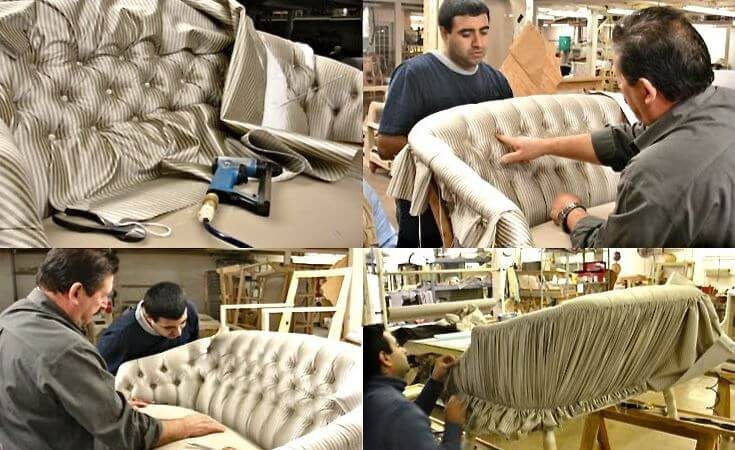
Reupholstering Instead of Replacing: Reviving old furniture with eco-friendly fabrics is a sustainable alternative to buying new, reducing waste and preserving resources.
Top Eco-Friendly Upholstery Trends in Dubai
Dubai homeowners are creatively blending sustainability with luxury. Some of the latest trends include:
Earthy Tones and Textures: Browns, greens, and neutral shades with natural textures complement the city’s modern interiors while keeping interiors eco-conscious.
Mix of Natural Fabrics: Combining linen, hemp, and bamboo creates layered textures and a comfortable, inviting environment.
Modular and Minimalist Designs: Modular furniture with replaceable parts reduces waste and supports sustainable living.
Indoor-Outdoor Harmony: Using eco-friendly fabrics suitable for both indoor and outdoor furniture allows homeowners to create seamless transitions while embracing sustainability.
Conclusion
Eco-friendly upholstery Dubai is more than a design choice—it’s a lifestyle decision that combines style, comfort, and environmental responsibility. From organic cotton and hemp to recycled polyester and bamboo fabrics, there is a wealth of options that cater to diverse tastes while promoting sustainability.
By choosing locally sourced, durable, and chemically minimal fabrics, Dubai homeowners can create luxurious spaces that reflect modern design trends and a commitment to a greener future. Sustainable upholstery is no longer a compromise; it’s a smart, stylish, and responsible choice for every home.