

Nothing drags down warehouse efficiency quite like a slow, unreliable door. When seconds count, and workflows are on the line, the right quick-access door becomes more than a convenience, it is a necessity. But with dozens of options promising speed, security, and energy savings, how do you select the one that will truly serve your facility’s unique demands?
Why Quick-Access Doors Are Essential for Warehouses
Warehouses face a daily battle with time and logistics. Traditional doors can bottleneck operations, causing delays and even safety incidents. High-speed doors address these pain points by enabling seamless movement of goods and personnel while minimizing exposure to outside elements.
Outdated or poorly chosen doors contribute to lost productivity, temperature loss, and even contamination, issues that can quietly drain profits and threaten compliance.
Types of Quick-Access Doors and Their Key Features
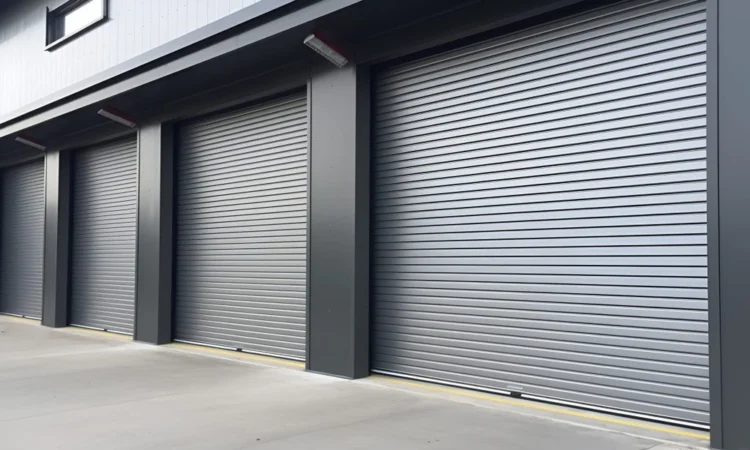
Today’s options go well beyond the standard roll-up. Flexible fabric doors, for example, offer remarkably quick open-close cycles, ideal for busy loading zones or climate-controlled spaces. Rigid aluminum security doors provide a tougher barrier, perfect where theft or impact is a concern. Soft PVC doors, on the other hand, excel in environments where easy reinsertion after impact is needed, as with automated forklift traffic.
Specialized variants such as insulated sectional doors, rolling steel models, and strip curtains each offer unique benefits, from greater energy retention to zone separation and dust control.
Evaluating Door Performance Criteria for Warehouse Needs
Every warehouse has its own pulse. Before settling on a model, consider these critical factors:
– Speed and Reliability: Fast doors reduce waiting time, but reliability ensures you are not facing frequent breakdowns.
– Durability and Impact Resistance: If your location sees frequent equipment traffic or harsh handling, look for doors tested for repeated impacts or made with materials designed for tough conditions.
– Weatherproofing and Barriers: In climates with temperature extremes or for industries requiring dust and contaminant control, doors with robust sealing systems make a measurable difference.
– Energy Efficiency: Insulated doors or those with tight seals help protect against temperature loss and can lead to significant cost savings.
Industry-Specific Considerations in Door Selection
Requirements are not one-size-fits-all. The food and agro-industry, for instance, needs doors that maintain strict hygiene standards and environmental separation. Automotive parts and retail warehouses may prioritize speed and visibility. And in locations with severe weather, outdoor-facing doors demand extra resilience against wind, cold, or heat.
Integrating Door Technology with Warehouse Workflow
Modern quick-access doors are not just about open and shut. Automation options, such as electric opener systems, allow seamless integration into warehouse management systems. Safety features, from motion sensors to emergency stops, are increasingly standard, helping prevent workplace accidents and keeping operators protected. Maintenance and repair support from your supplier should be considered as part of the purchase, not an afterthought.
How to Choose the Right Quick-Access Door for Your Warehouse
Start with a clear-eyed assessment of your facility:
– How often will the door cycle per day?
– What are the peak traffic hours?
– Are there hygiene, temperature, or security requirements unique to your operation?
Match these needs against available options, weighing features like opening speed, insulation, and safety systems. Budget considerations are real, but remember that a door’s long-term reliability and energy savings can offset a higher upfront cost. Seeking expert guidance, such as from portes rapides d’entrepôt Dor Docteur, can streamline your evaluation process with industry-tailored recommendations.
Steps to Implement and Maintain Your Quick-Access Door System
Choosing the right product is only half the battle. Selecting a trusted supplier ensures professional installation and a smooth transition with minimal disruption to operations. Installation best practices include scheduling downtime, verifying measurements, and training staff in proper use. Regular inspection and preventive maintenance, checking seals, lubricating tracks, and verifying safety sensors, will extend your door’s lifespan and safeguard your investment.
Future Trends in Warehouse Door Technology
Expect rapid change in this sector. Advancements in lighter yet tougher materials promise faster doors with lower maintenance needs. Sustainability is gaining ground, with doors designed for maximum insulation and energy conservation. The next leap? Smart integration, where quick-access doors sync seamlessly with warehouse management systems, optimizing traffic, conserving energy, and even predicting maintenance needs before problems arise.
The right quick-access door is not just a physical upgrade, it is an investment in your workflow, safety, and the future of your warehouse.