
Wooden flooring has long been celebrated for its timeless beauty, durability, and ability to instantly elevate the ambiance of any space. But with so many types, finishes, and designs available, choosing the perfect wooden Flooring for every room in your home can feel overwhelming. This guide will help you make informed decisions by exploring the key considerations, popular types, and ideal room-specific applications.
Why Wooden Flooring is a Great Choice
Before diving into the specifics, it’s important to understand why wooden flooring remains a top choice for homeowners. Its natural warmth, aesthetic appeal, and versatility make it suitable for both traditional and modern interiors. Wooden floors also improve indoor air quality by reducing allergens compared to carpets and can increase property value. Additionally, with advances in engineered wood and finishes, wooden flooring is now more durable and easier to maintain than ever.
Key Considerations When Choosing Wooden Flooring
Selecting the right wooden flooring involves several critical factors:
Room Functionality
The first step is to consider how the room will be used. High-traffic areas like living rooms and hallways require more durable options, such as engineered hardwood or oak. Conversely, bedrooms and home offices allow for softer woods or more decorative finishes. Moisture-prone areas like kitchens or bathrooms require water-resistant wood or engineered alternatives to prevent warping.
Wood Type
The type of wood affects both aesthetics and durability. Popular options include:
Oak: Strong, versatile, and available in various finishes. Ideal for living areas and bedrooms.
Maple: Light-colored and durable, perfect for modern, minimalist interiors.
Walnut: Dark and luxurious, adding a sophisticated touch to formal spaces.
Bamboo: Eco-friendly, strong, and suitable for kitchens and hallways.
Finish and Texture
The finish impacts both the look and maintenance of your floors. Options include:
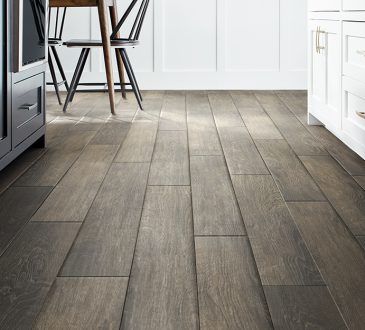
Matte Finish: Hides scratches and is ideal for high-traffic areas.
Glossy Finish: Offers a polished look but may require frequent cleaning.
Textured or Wire-Brushed: Adds character and reduces slip risk, making it great for family homes.
Color and Tone
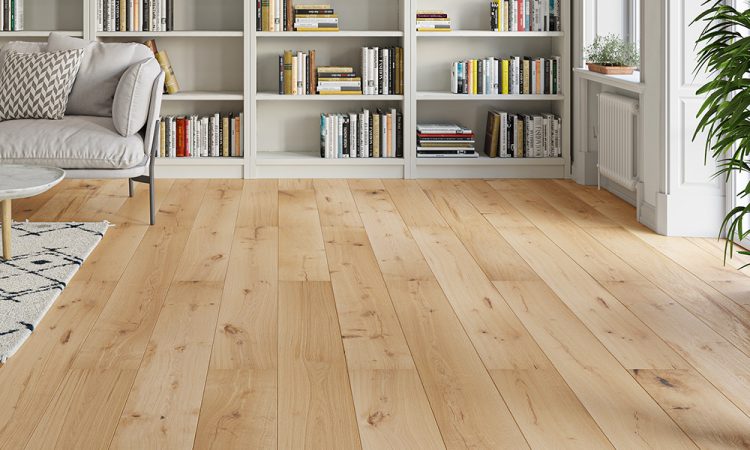
Color plays a significant role in setting the mood of a room. Light wood tones can make small spaces feel open and airy, while darker shades create a cozy, intimate atmosphere. Consider the room’s lighting and wall colors to ensure harmony with the flooring.
Installation Method
Wooden floors can be installed in different ways:
Floating Floors: Easy to install and ideal for DIY projects.
Nail-Down or Staple-Down: Provides stability for solid hardwood in main living areas.
Glue-Down: Common for engineered wood, especially in kitchens and bathrooms.
Choosing Wooden Flooring for Every Room
Let’s break down the best wooden flooring options based on each room’s function and design needs.
Living Room
The living room is often the heart of the home, so your flooring should combine style and durability. Solid oak or engineered hardwood with a matte or semi-gloss finish works beautifully here. Consider medium to dark tones to complement furniture and décor. Adding a rug can enhance warmth and texture.
Bedroom
Bedrooms call for comfort and warmth. Softer woods like maple or cherry create a cozy, inviting atmosphere. Lighter tones can make the room feel spacious, while a subtle matte finish adds elegance without showing wear over time. For extra comfort, consider underfloor heating compatibility.
Kitchen
Kitchens are prone to spills and moisture, so water-resistant options are essential. Engineered wood or bamboo is ideal, offering durability without sacrificing style. Choose finishes that are easy to clean and maintain, such as satin or semi-gloss. Darker tones can help hide stains and scratches in busy areas.
Bathroom
Traditional solid hardwood is not recommended in bathrooms due to high moisture levels. Instead, opt for engineered wood or waterproof wood alternatives that mimic the look of real wood. These options are resistant to water damage while maintaining a luxurious aesthetic.
Home Office
In a home office, wooden flooring adds a professional and warm ambiance. Durable options like oak or walnut are excellent, and textured finishes can minimize glare from natural light. Medium tones strike a balance between elegance and practicality.
Hallways and Entryways
These high-traffic areas require the toughest wooden flooring. Hardwoods like oak or hickory with a wire-brushed or textured finish provide maximum durability and scratch resistance. Darker shades also help hide dirt and wear in busy spaces.
Maintenance Tips for Long-Lasting Wooden Floors
Proper maintenance ensures your wooden floors remain beautiful for years. Key tips include:
Sweep or vacuum regularly to remove dust and debris.
Wipe up spills immediately to prevent staining or warping.
Use wood-friendly cleaning products to maintain the finish.
Place mats or rugs in high-traffic zones.
Consider periodic polishing to enhance shine and durability.
Final Thoughts
Choosing the perfect Wooden Flooring for every room requires balancing aesthetics, functionality, and durability. By understanding the unique needs of each space and considering wood type, finish, and installation, you can create a harmonious, stylish, and long-lasting home interior. Wooden flooring is not just a practical choice—it’s an investment in beauty, comfort, and value that will stand the test of time.