
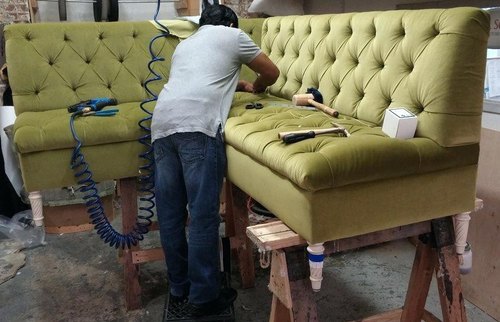
Sofas are the heart of any living room. They invite comfort, style, and relaxation, but over time, wear and tear can take a toll. Whether it’s frayed fabric, stubborn stains, or sagging cushions, repairing your sofa can breathe new life into it. One of the most critical aspects of a successful sofa repair is choosing the right upholstery. The fabric you select not only affects the sofa’s appearance but also its durability, comfort, and maintenance requirements. This guide will walk you through everything you need to know to pick the perfect upholstery for your sofa repair.
Understand Your Sofa’s Usage
Before selecting upholstery, consider how you use your sofa. Is it in a high-traffic family room or a formal sitting area? Sofas that see daily use need durable, stain-resistant fabrics, while occasional-use couches can prioritize aesthetics and comfort. For homes with kids or pets, fabrics like microfiber or performance velvet are ideal because they are easy to clean and resist damage. On the other hand, luxurious fabrics like linen or silk may look stunning but can be less practical for heavy use.
Know the Different Types of Upholstery Fabrics
Choosing the right upholstery fabric begins with understanding your options. Here are some popular types:
Cotton: Soft and breathable, cotton is comfortable but may fade over time and stain easily. Blended cotton fabrics can increase durability.
Linen: Offers a sophisticated look with natural textures. However, linen wrinkles easily and is less resistant to stains.
Leather: Durable, stylish, and easy to clean. Leather develops a beautiful patina over time but can be pricey.
Microfiber: Synthetic and tightly woven, microfiber is highly durable and stain-resistant, making it perfect for households with children or pets.
Velvet: Luxurious and visually striking, velvet adds elegance to any sofa. Performance velvet combines softness with durability and stain resistance.
Synthetic Fabrics (Polyester, Nylon, Acrylic): Affordable and resistant to wear, these fabrics can mimic natural textures and are often easy to maintain.
Understanding these materials helps you match fabric qualities to your lifestyle and design preferences.
Consider Color and Pattern Carefully
While durability is essential, aesthetics matter just as much. Lighter colors make a room feel open and airy but can show stains more easily. Darker shades are forgiving and perfect for high-traffic areas. Patterns, such as geometric designs or subtle textures, can also conceal minor wear and tear. When repairing a sofa, think about how your upholstery choice will complement the existing décor, wall colors, and flooring. Neutral tones like beige, gray, or taupe offer versatility, while bold colors or patterns can create a statement piece.
Evaluate Maintenance Requirements
Different fabrics require different levels of care. Consider how much effort you are willing to put into maintaining your sofa. Leather and microfiber are relatively low-maintenance, while natural fabrics like cotton and linen may require professional cleaning or frequent spot treatments. Performance fabrics are engineered for easy care, often resistant to spills and fading, making them an excellent choice for busy households. Make sure your upholstery choice aligns with your lifestyle and cleaning habits.
Don’t Forget Comfort and Feel
While durability and appearance are important, comfort should never be overlooked. Sit on fabric samples before making a decision. Some fabrics, like leather or velvet, feel cool and smooth, while cotton and linen offer softness and breathability. Upholstery affects not just the look but also the tactile experience of your sofa. After all, a sofa repair isn’t just about aesthetics—it’s about creating a space where you and your loved ones can relax.
Budget Considerations
Sofa repair costs vary depending on the fabric, labor, and any additional enhancements like cushion replacement. High-end fabrics like leather or premium velvet will cost more, but they offer long-term durability and style. More affordable options like polyester blends or microfiber still provide good longevity at a fraction of the price. When choosing upholstery, balance cost with quality to ensure your investment lasts.
Seek Professional Advice When Needed
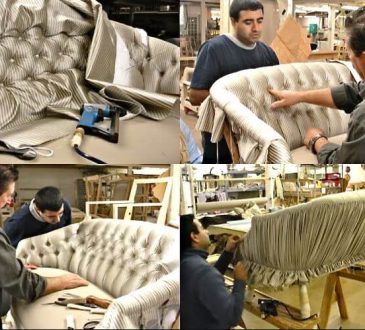
While DIY sofa repairs are possible, professional upholsterers bring expertise in fabric selection, sewing, and installation. They can recommend materials best suited to your sofa’s structure, usage, and design preferences. Consulting a professional ensures your sofa repair is not only beautiful but also durable and long-lasting.
Conclusion
Choosing the right upholstery is a crucial step in any sofa repair. By considering usage, fabric types, color, pattern, maintenance, comfort, and budget, you can select an upholstery that revitalizes your sofa repair Dubai and enhances your living space. Whether you prefer luxurious velvet, practical microfiber, or timeless leather, the right fabric will transform your worn-out sofa into a centerpiece of style and comfort.
Remember, a well-chosen upholstery is an investment in both your home’s aesthetic and your everyday comfort. Take the time to explore options, test fabrics, and consult professionals if needed. Your sofa deserves it, and so do you.